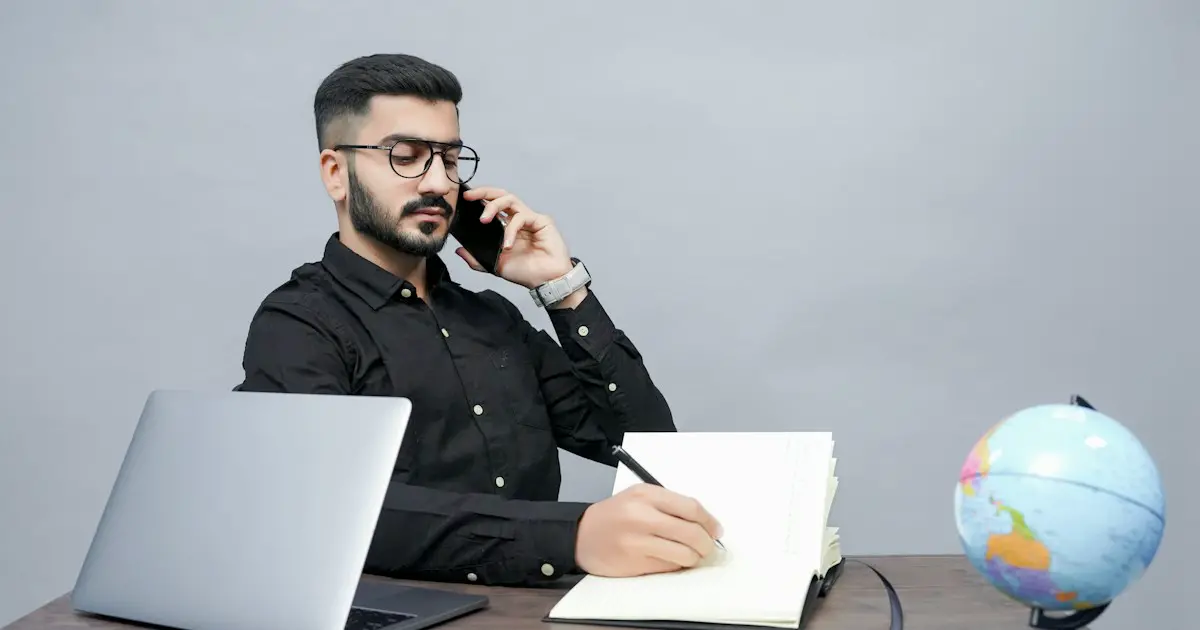
On a phone call, your voice does all the work. No smile, no eye contact, no nod. That makes a phone screening harder than it looks, and easy to prepare for.
Last updated
A closed room, fan off, family told. Background noise is the most common problem.
Charged, good signal, notifications silenced. Test the spot with a friend first.
Your résumé, the job description and three key points about yourself.
To note the interviewer's name, questions and next steps.
Screening calls are short, so keep answers to 45–60 seconds. The goal is to get to the next round, not to tell your whole story.
Ask one good question about the role or next steps, thank the interviewer by name, and confirm what happens next. A short thank-you email the same day is a nice touch, and it gives you the chance to fix anything you forgot to say.
The AI mock interview is voice-first: it asks the question aloud and you answer by speaking, just like a phone screening. You get a transcript and scores for clarity and confidence, so you can hear exactly how you sound. See also communication skills for interviews.
Find a quiet place, charge your phone and check the signal, keep your résumé and the job description in front of you, and practise short spoken answers to common screening questions like "tell me about yourself" and "why this role".
Sit upright or stand, smile when you greet, speak slightly slower than normal, finish every sentence firmly, and say "let me think for a second" instead of going silent.
Most phone screenings last 15 to 30 minutes. Keep answers to about a minute and focus on showing you fit the role well enough to reach the next round.
Answer interview questions by voice and get scored on clarity, structure and confidence.
Get Started →