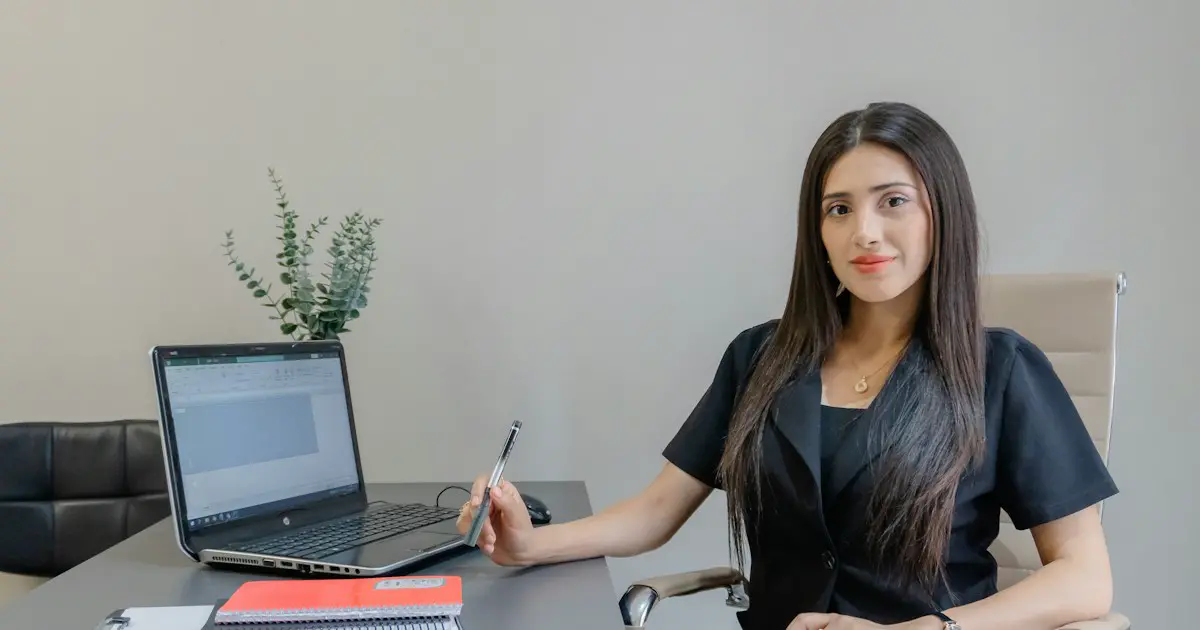
Interviewers form an impression before you finish your first answer. Good body language doesn't mean acting confident. It means removing the habits that make you look nervous.
Last updated
Sit upright, back against the chair, leaning very slightly forward.
Look at the interviewer while they speak and for most of your answer.
Rest them on the table or your lap. Small, open gestures while explaining.
A natural smile at the start and end. A calm, interested face in between.
Nervousness shows up in the voice first: speaking fast, trailing off at the end of sentences, rising tone as if every statement were a question. Slow down, finish each sentence at full volume, and let your voice drop at the end of a statement. See communication skills for interviews for more on delivery.
More in our video interview tips.
You can't see your own habits while you're answering. Record a practice interview on video and watch it once with the sound off: fidgeting, looking away and slouching become obvious. A P2P video interview with a real panel is the closest thing to the real day, and the AI mock interview helps you get the words right first.
Sitting upright and slightly forward, natural eye contact, hands resting on the table or making small open gestures, nodding while listening, and a calm, interested expression. Avoid crossed arms, fidgeting and touching your face.
Look at the camera while you speak, because that is what appears as eye contact on the interviewer's screen. Glance at their face on screen while they are speaking to follow their reactions.
Give your hands a place: rest them on the table or on your lap, and use them only to explain a point. Keep your feet flat on the floor. Practising on video helps you notice habits you don't feel.
Answer interview questions by voice and get scored on clarity, structure and confidence.
Get Started →